 Tompkins Robotics
The gap between warehouses that are scaling and those that are struggling is increasingly defined by one thing: how well they integrate robotics into their operations.
Labor shortages, rising customer expectations, and growing SKU complexity have pushed warehouse robotics from “nice to have” to a competitive requirement. But simply adding robots doesn’t solve the problem.
In fact, poorly executed implementations can create new bottlenecks, not eliminate them.
That’s why successful warehouse robotics integration depends on more than technology—it requires coordination across systems, operations, and organizational change.
This guide walks through a structured approach to getting it right, from business case development through go-live.

Step 1: Start With the Business Case
Every successful robotics project begins with a clearly defined business case.
Before evaluating vendors or technologies, organizations should identify the operational pain points driving the initiative. Here are a few key questions to ask:
What is the business justification?
Common drivers include:
-
Labor shortages
-
Rising fulfillment costs
-
Capacity constraints
-
Order accuracy issues
-
Throughput bottlenecks
-
Peak season challenges
How does the project align with company strategy?
Robotics initiatives should support broader business goals such as:
-
Omnichannel fulfillment
-
Network scalability
-
Faster delivery times
-
Improved customer experience
-
Long-term operational resilience
What happens if you do nothing?
The “do nothing” scenario is often overlooked but extremely important. Companies should quantify the operational risks of delaying automation, including:
-
Increasing labor costs
-
Lost throughput capacity
-
Higher employee turnover
-
Inability to scale

Step 2: Define Success Criteria
One of the biggest mistakes with integrating robotic automation systems is failing to establish measurable success criteria before implementation begins. Without clearly defined goals, automation projects can quickly lose focus, creating misalignment between operations, IT, engineering, leadership, and integration partners.
For supply chain professionals, success criteria should go beyond simple throughput improvements. Metrics should evaluate the broader operational impact robotics will have across fulfillment, labor planning, inventory management, customer service, and network scalability.
Common KPIs for Integrating Warehouse Robotics:
Throughput Rates
This is simply how much the system can process over time—whether that’s cartons, units, or orders per hour. What really matters is how it performs in real conditions, not just during ideal tests. That means looking at both everyday operations and peak periods to understand whether the system can truly scale when demand spikes.
Units Processed Per Hour
This KPI helps put a clear number on productivity gains. It shows how much work gets done in an hour before and after automation is introduced. Many teams use this to validate whether the investment is delivering the expected efficiency improvements and ROI.
Order Accuracy
One of the most noticeable improvements that come from deploying warehouse robotics is higher accuracy. Fewer mis-picks, fewer shipping errors, and fewer returns all point to a smoother operation and a better customer experience. Tracking this over time also helps connect automation directly to service-level improvements.
Labor Utilization
The goal isn’t just to reduce labor—it’s to use it more effectively. Robotics often shifts people away from repetitive tasks and toward higher-value work. Measuring labor utilization helps show whether the workforce is being deployed in a smarter, more balanced way during both normal and peak operations.
System Uptime
System reliability is critical in automated environments. Downtime impacts throughput, labor planning, carrier schedules, and customer commitments. Supply chain teams should establish uptime expectations, response-time SLAs, and escalation procedures with vendors before go-live.
Storage Density
Automation often allows warehouses to use space more efficiently. Tracking storage density helps teams understand whether they’re getting more out of their existing footprint—or even delaying the need for expansion by using space more intelligently.
Transportation Savings
Faster and more accurate fulfillment can improve trailer utilization, shipment consolidation, and dock scheduling. These operational improvements often create transportation savings that are overlooked during initial ROI discussions.
Ramp-Up Time
One of the most important but underestimated metrics is how quickly the operation reaches expected productivity levels after go-live. Organizations should define realistic stabilization periods and monitor operational performance closely during ramp-up.

Step 3: Align Stakeholders
Successful warehouse robotics integration only works when everyone is on the same page—from operations and IT to engineering, leadership, and the warehouse floor. Bringing stakeholders in early helps build buy-in, improves day-to-day communication, and prevents a lot of avoidable issues once deployment gets underway.
Assess Internal Readiness
Before kicking off the project, it’s important to take an honest look at where the organization stands today. That means understanding your level of automation experience, the strength of your internal resources, and how much ongoing support you’ll need to keep things running smoothly.
Getting clear on this upfront helps set realistic expectations and avoids surprises later—especially when it comes to integration complexity, staffing, and long-term system support.
Build a Cross-Functional Team
Warehouse robotics projects impact multiple departments, including:
-
Operations
-
IT
-
Engineering
-
Inventory control
-
HR
-
Finance
Bringing these groups together early helps improve decision-making and creates shared ownership throughout the implementation.
Define Roles and Responsibilities
When roles and decision-making aren’t clearly defined, projects tend to slow down fast. Being clear upfront about who owns what, how issues get escalated, and who makes final calls helps avoid confusion and keeps everything moving during execution and go-live.
Plan for Operational Changes
Robotics integration usually reshapes how the warehouse actually runs day to day. It can change workflows, inventory handling, how labor is used, and even how different systems interact with each other.
When teams map out these future-state changes early, it’s much easier to spot risks before they become problems and make sure people are prepared for what’s coming. It also goes a long way toward smoother adoption once the system goes live, because teams aren’t being asked to adjust on the fly.

Step 4: Facilitate Open Communication
Once the project gets rolling, communication becomes one of the most important drivers of success. Deploying robotic automation involves many moving parts, and without a clear communication structure, small issues can quickly turn into major delays.
Establish a Single Source of Truth
A detailed project schedule should act as the central reference point for all stakeholders. This keeps teams aligned on timelines, milestones, dependencies, and deliverables throughout execution.
Define a Communication Cadence
Set a consistent meeting structure that includes:
-
Daily or weekly project updates
-
Functional workstream meetings
-
Executive steering reviews
-
Ad hoc issue resolution sessions
Create a Clear Escalation Path
Not every issue can be solved at the team level. A defined escalation process ensures blockers are addressed quickly and routed to the right decision-makers before they impact the timeline.
Address Issues Proactively
Warehouse robotics projects are highly collaborative and fast-moving. Teams should surface risks early, assign ownership immediately, and track resolution until completion rather than letting issues linger.
Keep Stakeholders Engaged
Regular, transparent communication helps maintain alignment across operations, IT, leadership, and vendor partners. It also ensures everyone understands progress, challenges, and upcoming priorities throughout the execution phase.
Step 5: Provide Training & Support
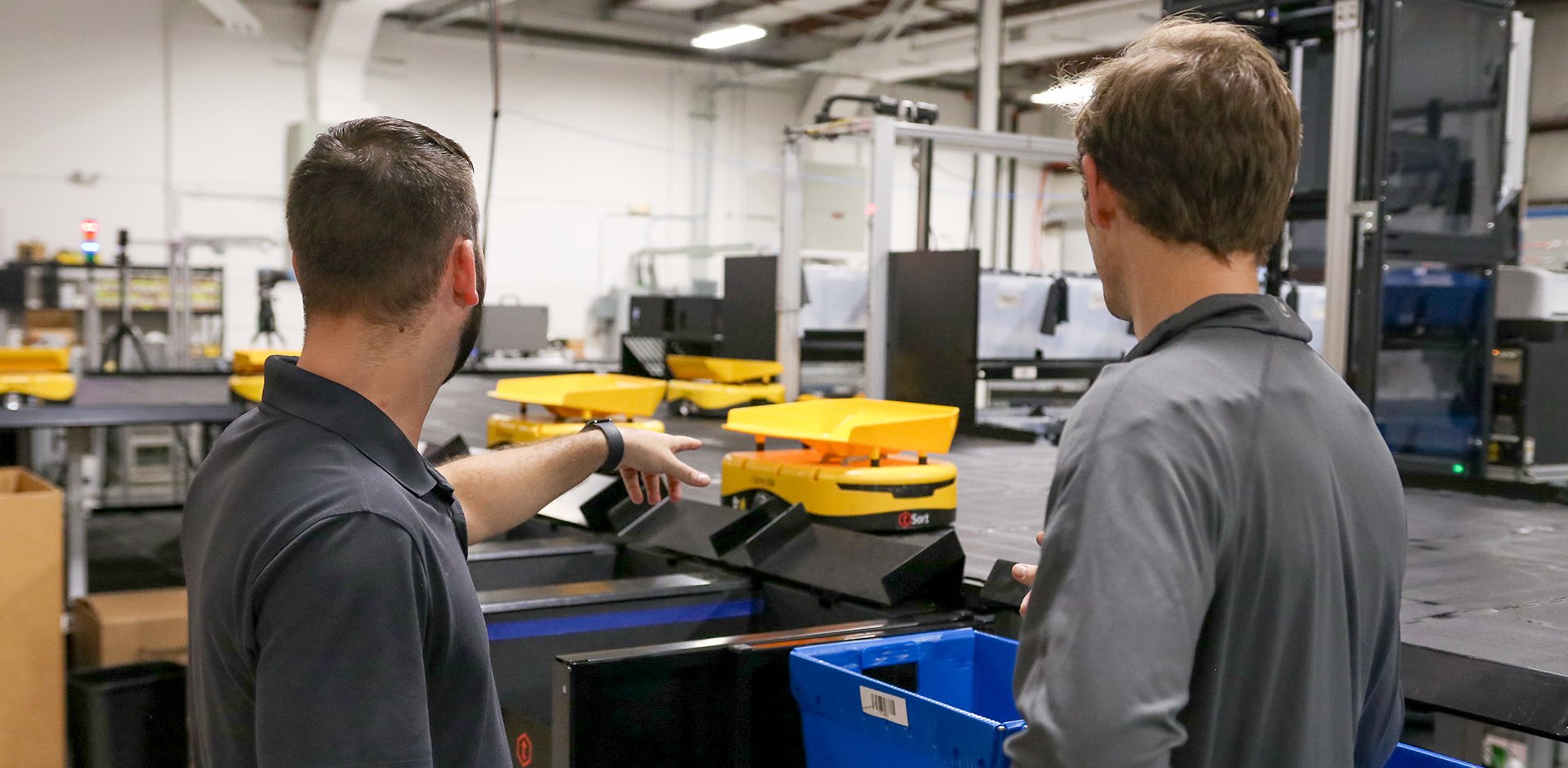
Even the most advanced warehouse automation system won’t deliver results without strong user adoption. Training is what turns a well-designed system into a fully functioning operation on the floor.
Train by Function, Not Just System
Effective training should be tailored to each group’s role in the operation. For example:
-
Operators focus on daily workflows and exception handling
-
Supervisors focus on performance management and system oversight
-
Maintenance teams focus on troubleshooting and uptime support
-
IT teams focus on system performance and integrations
This ensures each team understands not just how the system works, but how it impacts their specific responsibilities.
Develop Superusers
Identify and train “superusers” who become internal experts on the system. Superusers help reduce dependency on external support and strengthen long-term system adoption. These individuals play a key role in:
-
Supporting day-to-day users
-
Reinforcing best practices
-
Assisting with troubleshooting
-
Leading ongoing training after go-live
Plan for Ongoing Support
Training shouldn’t stop at go-live. Early weeks of operation are critical, and teams should have access to:
-
On-site or remote vendor support
-
Quick reference guides and SOPs
-
Real-time troubleshooting assistance
-
Refresher training sessions as needed
-
Reinforce Through Real Operations
The most effective training happens during live or simulated operations. Hands-on experience helps teams build confidence, understand system behavior, and respond effectively to real-world scenarios.
Strong training and support planning ensures the workforce is prepared, confident, and fully capable of operating the system as designed.
Step 6: Measure Performance and Capture Feedback
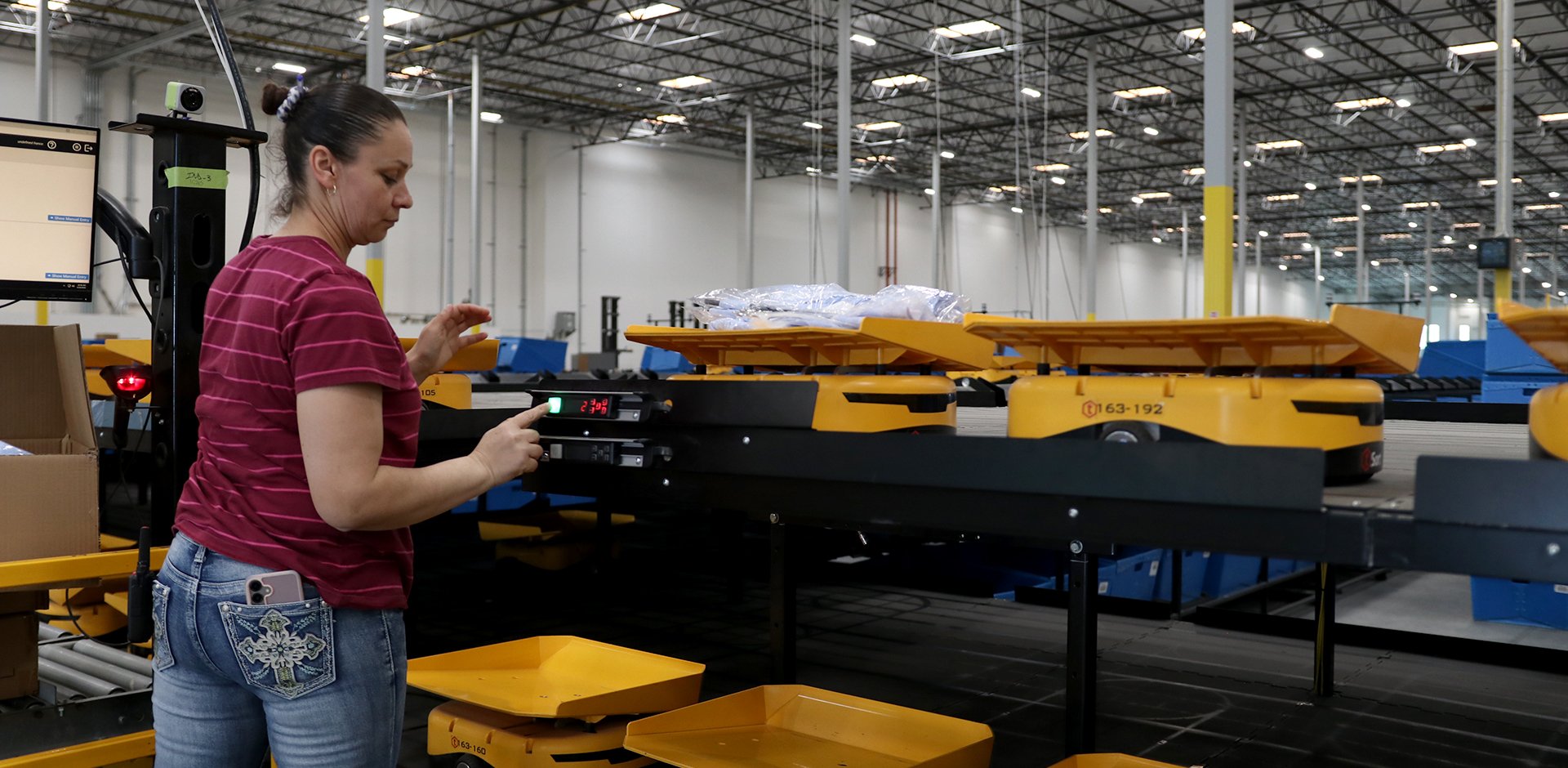
The final phase of a warehouse robotics project is where things shift from getting the system up and running to making sure it’s actually delivering results. This is where teams step back, measure performance, and confirm whether the solution is meeting the original goals and business case.
Track Performance Against Baselines
To understand impact, organizations should compare post-go-live performance against the baseline metrics defined early in the project. This comparison is what ultimately proves ROI and highlights where the system is performing as expected—or where adjustments are needed.
Report Against Original Success Criteria
Success should be measured against the KPIs established during project initiation, not informal perceptions of improvement. Regular reporting ensures leadership can clearly see operational impact and financial outcomes tied to the investment.
Gather Structured Feedback
Post-implementation feedback matters just as much as the performance data coming out of the system. It’s important to hear directly from both the cross-functional project team and the associates who are using the system every day.
That on-the-ground input often reveals things metrics alone won’t catch—like usability issues, small process gaps, or areas where the workflow could be improved to run more smoothly.
Maintain Continuous Improvement Loops
Warehouse robotics systems are not static. Ongoing feedback should be used to:
-
Refine workflows
-
Improve system configuration
-
Optimize labor allocation
-
Address recurring issues
-
Enhance system performance over time
Capture Lessons Learned
At project close, teams should document what worked well and what could be improved. This creates a knowledge base that strengthens future automation projects and helps organizations scale robotics more effectively across their network.
Warehouse robotics success doesn’t come from technology alone—it comes from execution.
The difference between a struggling implementation and a high-performing operation is almost always how well the organization aligns, communicates, trains, and measures success throughout the process.
Get those fundamentals right, and robotics becomes more than automation—it becomes a scalable advantage that compounds over time.
Final Takeaway: Execution Is What Drives Results
Warehouse robotics success doesn’t come from technology alone—it comes from execution. The difference between a struggling implementation and a high-performing operation is almost always how well the organization aligns, communicates, trains, and measures success throughout the process. Get those fundamentals right, and robotics becomes more than automation—it becomes a scalable advantage that compounds over time.
See Robotics in Action: Take a Tompkins Robotics Lab Tour
If you’re evaluating deploying warehouse robotics, seeing the technology in action can make all the difference.
A Tompkins Robotics Lab tour lets you experience real systems, understand how integration works in practice, and explore how robotics could apply to your own operation.